What Makes a Corporate Video Actually Work: 7 Principles From 35 Years in Production

Most corporate videos get watched once. The good ones get sent around.
I’ve been producing video in Southeast Michigan since the early 1990s. I’ve made videos for automotive suppliers, healthcare systems, manufacturers in Oakland County, SaaS companies in Birmingham, senior living communities in Troy. In that time, I’ve watched hundreds of corporate videos get finished, approved, and quietly ignored. And I’ve made enough of my own mistakes to know exactly why it happens.
The problem is rarely the camera work. It’s rarely the edit. It almost always traces back to a decision made in the first meeting, or a question nobody asked before the shoot day.
Before I founded Videoburst, I spent four years as a journalist at The Prague Post. Reporting taught me something that still shapes every project I take on: the story you think you’re walking into is almost never the real one. You find it by asking. That instinct, ask first and shoot second, is the foundation of every corporate video we make. Short and pack a punch is the goal. But you can’t get there without knowing what you’re actually trying to say.
This article walks through the corporate video production process and the seven principles that, in my experience, separate the videos that work from the ones that don’t.
What is the corporate video production process?
Corporate video production is the structured process of creating video content for a business: from discovery and scripting through filming, editing, and final delivery. A typical corporate video project moves through six stages and takes four to eight weeks from kickoff to completion.
That definition covers the mechanics. What it doesn’t capture is the judgment involved at every stage. A process is a map. Whether you end up somewhere useful depends on the decisions you make along the way.
The companies that consistently get strong results from video share one habit: they treat the process as a collaboration, not a vendor transaction. They come prepared, they give clear feedback, and they trust the people they’ve hired. The companies that struggle treat video like printing a brochure. They hand over a brief and expect a finished product with no friction. It rarely works that way.
The corporate video production process: 6 stages
Every professional corporate video moves through six stages: discovery and briefing, pre-production, production, post-production, client review and revisions, and final delivery. Pre-production and post-production together account for roughly 80% of the timeline and nearly all of the decisions that determine the final result.
Stage 1: Discovery and briefing
This is the conversation before anything else happens. We ask about your audience, your goal, your message, and your constraints. We ask why you want a video, not just what you want to show. The answers to those questions shape everything that follows.
A strong creative brief documents what we learn in this stage. It specifies the tone, the key message, the target platform, the deliverable formats, and the approval process. When a brief is thorough, the rest of the project moves faster. When it’s thin or skipped, problems multiply downstream.
Stage 2: Pre-production
Pre-production is where the script, storyboard, and shot list are built. For interview-driven pieces, this means developing a question guide and identifying the right subjects. For scripted work, it means writing full copy before anyone picks up a camera.
Location scouting, casting, scheduling, equipment planning, permits, and talent agreements all happen here too. The quality of your shoot day is determined in pre-production. You either prepare or you improvise, and improvisation on a set is expensive.
Stage 3: Production
Production is the shoot itself. A professional shoot day runs on a call sheet: a detailed schedule that tells every crew member where to be, what to bring, and what scenes are planned in each block. Nothing on a professional set should feel unplanned.
We use Sony FX series cameras for most corporate and documentary work, moving to RED or ARRI systems for higher-end commercial productions. Audio is captured with lavalier mics and boom operators working in parallel. B-roll is shot methodically according to the shot list. The goal is to leave the location with everything we need and nothing we’ll regret missing.
Stage 4: Post-production
Post-production begins when the camera cards come back. Footage is logged and reviewed before the editorial process starts. The workflow moves from a rough cut to a fine cut to picture lock: the final edit approved by the client, from which no further changes are made.
Once picture is locked, color grading in DaVinci Resolve unifies the look of the footage. Sound design blends dialogue, music, and ambient sound into a clean mix. Motion graphics and lower-thirds are added using Adobe After Effects. Music licensing is handled here as well.
Stage 5: Review and revisions
Most projects include two rounds of revisions built into the timeline. The first round addresses structural feedback: pacing, order, inclusions, and cuts. The second round handles fine-tuning: specific lines, graphic adjustments, and timing.
Revision rounds that stay on track share one feature: a single point of contact on the client side with authority to approve. When feedback comes from multiple stakeholders with competing opinions and no hierarchy, revision cycles multiply and quality suffers.
Stage 6: Final delivery and distribution
Final deliverables include a 4K master file, platform-optimized exports for YouTube, LinkedIn, and any broadcast requirements, captioned files for accessibility, and compressed web versions as needed. All formats are specified in the creative brief before production begins.
Distribution strategy is worth a conversation at this stage too. A corporate video that lives only on a homepage and gets no promotion rarely earns back its budget. Think about where the video will actually be seen, not just where it will technically exist.
7 principles that separate corporate videos that work from those that don’t
Process gets you to a finished video. Principles get you to a good one. These are the seven things I’ve learned over 35 years that the process frameworks don’t capture.

The first seven seconds are the whole argument
Viewer drop-off data is unambiguous: most people decide whether to keep watching within the first seven seconds. Every second of logo animation, scenic establishing shot, or generic opener is a second the audience uses to decide they’re done.
We produced two versions of the same corporate overview for a manufacturing client in Auburn Hills. The original opened with a drone shot of the facility. The re-cut opened with the founder mid-sentence saying something surprising. Watch time on the re-cut was more than double. Nothing else changed. The first seven seconds are not an introduction. They are the argument for why someone should keep watching.
If they can’t talk without a script, they shouldn’t be on camera
A teleprompter doesn’t fix a bad communicator. It creates a person who looks slightly to the left of the lens and sounds like they’re reading, because they are.
My background as a journalist taught me something more useful: a good pre-interview conversation loosens people up more than a teleprompter ever will. I spend time before the camera rolls asking questions I’m not planning to film, getting the subject comfortable, finding the two or three things they genuinely believe and want to say. Those moments are where the real video lives. A nervous CFO with a teleprompter will never outperform a confident operations manager who actually believes what they’re saying.
One message, not five
Every corporate video brief I’ve ever received contains more than one message. Usually four or five. Sometimes ten. The discipline of committing to a single message before production starts is the most valuable thing we bring to a project.
It requires a conversation that clients sometimes find uncomfortable: what is the one thing you want the viewer to remember? Not the top three. The one. A video built around a single clear message consistently outperforms a video that tries to say everything. Every time.
Brand guidelines are often wrong for video
Corporate brand guidelines are built for print and digital design. What they almost never account for is how a brand translates to motion and sound.
The navy blue that looks authoritative on a letterhead reads as cold and flat under studio lights. The approved music library track that fits the brand palette sounds like a dentist’s waiting room. The mandatory logo open that marketing requires creates the exact seven-second problem described above. We work within the spirit of brand guidelines, not the letter of them, and we make the case for interpretations that actually work on screen.
Shoot for the asset library, not just the brief
Every shoot produces more footage than the brief requires. A skilled production team captures that surplus deliberately: B-roll that can serve three or four future projects, alternate interview segments that become testimonial clips, wide establishing shots that will anchor next year’s event recap.
A client in the healthcare sector once told me that a half-day interview shoot we did for a single recruitment video ended up supplying material for six separate pieces over the following two years. None of that was accidental. We discussed it before the shoot and planned the coverage accordingly. For Southeast Michigan companies working with realistic budgets, thinking this way turns a $12,000 shoot into $50,000 worth of usable material.
The approval meeting kills more videos than the edit
I’ve watched genuinely good edits get destroyed in review. Not because the feedback was wrong, but because the review process had no structure. Multiple stakeholders with different opinions and equal authority, producing a list of contradictory notes that the editor has to somehow reconcile.
We build the approval process into the project before production starts. One point of contact. Two revision rounds with a clear scope for each. And a principle we enforce gently but consistently: feedback on what isn’t working is always more useful than feedback on what to change it to. “This section feels slow” is actionable. “Can you add more energy here?” is not.
Stock music undermines more corporate videos than bad lighting
As a jazz musician, I feel this one personally. The wrong piece of music doesn’t just fail to help a video; it actively tells the audience something false about the brand. Generic corporate uplift music communicates “we are like every other company.”
We either license tracks through reputable music libraries with proper cue sheets, or on select projects, we commission original composition. The cost difference is smaller than clients expect. A bespoke 45-second bed from a Detroit-area composer often costs less than a premium library license, and it’s the one thing in the video no competitor can copy.
What to expect from a corporate video production company in Southeast Michigan
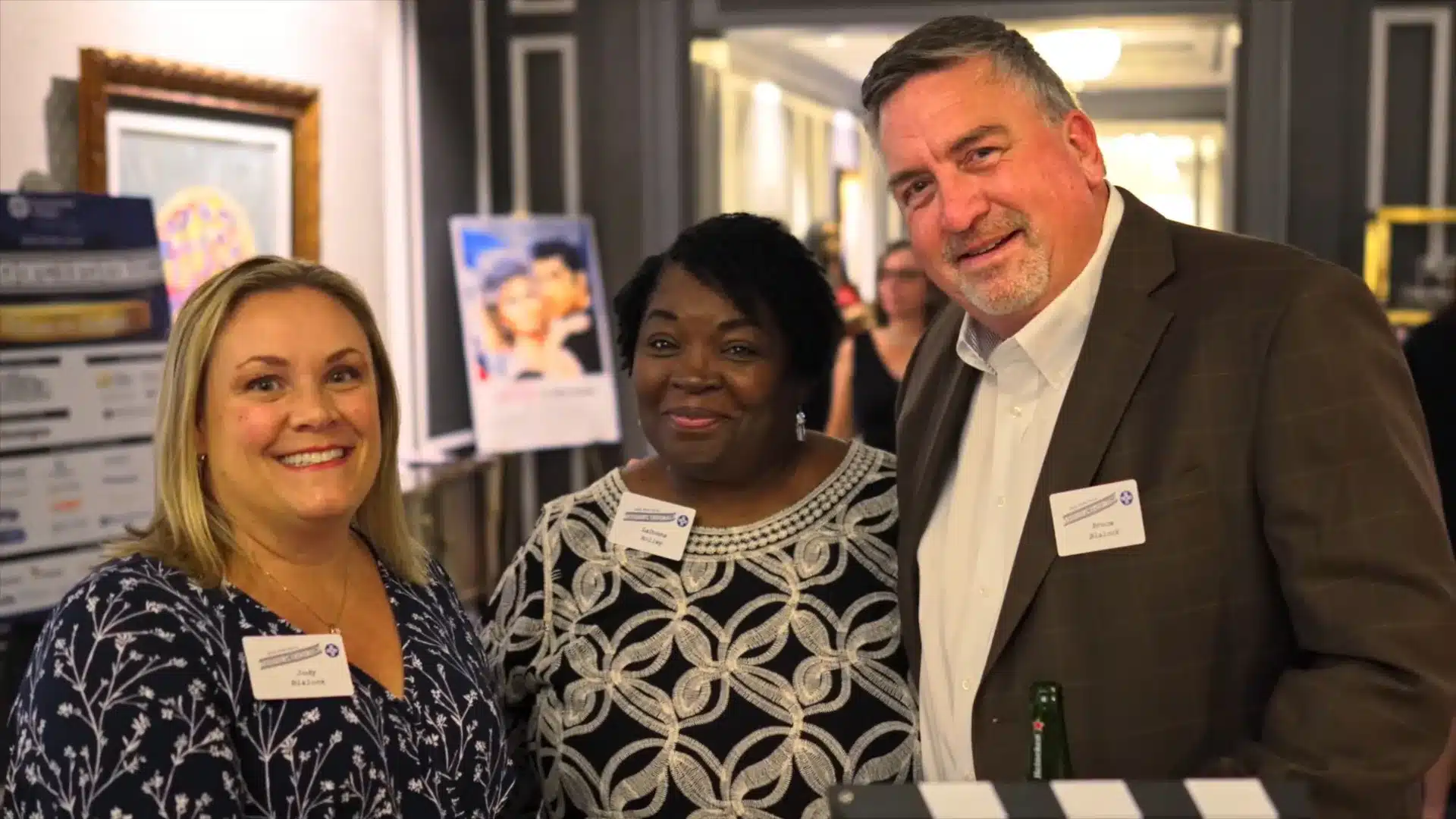
Working with a local video production company in Troy or Auburn Hills is different from hiring a national agency. There are no travel day rates, no time zone scheduling friction, no crew unfamiliar with local industry culture.
Southeast Michigan’s economy shapes the video work we do every day. Automotive clients in Auburn Hills and the broader Detroit corridor have specific requirements: precision in technical language, respect for brand standards, familiarity with plant floor logistics and safety protocols. Healthcare clients across Oakland County need productions that handle compliance and sensitivity carefully. Manufacturing, SaaS, senior living, and local government clients each bring their own context, and that context matters.
For any company in Southeast Michigan that wants to understand the broader video production process before committing to a project, we’ve written a complete guide. If you’re ready to talk about a specific project, the conversation starts the same way every project does: with questions, not a quote.
Frequently asked questions about corporate video production
What are the stages of the corporate video production process?
The six stages are: discovery and briefing, pre-production (scripting and storyboarding), production (filming), post-production (editing, color, sound), client review and revisions, and final delivery. Pre-production and post-production together account for the majority of time and all of the decisions that shape the final result.
How long does corporate video production take?
Most corporate video projects take four to eight weeks from kickoff to final delivery. Pre-production runs two to four weeks, the shoot is typically one to two days, and post-production takes three to four weeks including revision rounds. Rush timelines are possible but typically add 20 to 40% to the budget.
How much does corporate video production cost in Southeast Michigan?
Professional two to three minute corporate videos in the Detroit metro area typically range from $4,500 to $20,000. High-end brand films or multi-location productions run $15,000 to $50,000 or more. The largest cost variables are scope, crew size, location complexity, and post-production depth.
What is the difference between a corporate video and a commercial?
A commercial is a short direct-response ad placed on paid media. A corporate video is a longer-form branded asset: a brand film, explainer, testimonial, training piece, or recruiting video that lives on a website, YouTube channel, LinkedIn page, or intranet. The production process overlaps, but the purpose and distribution strategy are different.
What makes a good corporate video brief?
A good brief answers four questions: Who is the audience? What is the single most important thing they should take away? Where will this video be seen? What does success look like? Briefs that try to communicate everything communicate nothing. The most useful briefs are specific, honest about constraints, and committed to a single message.
How do you measure whether a corporate video worked?
Four metrics matter: view-through rate (how many people watched to the end), engagement signals (shares, comments, saves), conversion impact (leads generated, applications received, sales conversations opened), and cost per outcome compared to other channels. Tracking these requires setting up measurement before the video goes live, not after.
The companies that get the most value from corporate video are the ones who come into the process knowing what they want to say and willing to make decisions. They don’t need to know anything about production. They need to know their audience, their message, and their goal.
If you’re planning a corporate video for your Southeast Michigan business and want a straight conversation about what it takes to do it right, call us at (248) 935-0110 or visit our contact page. We’ll start with questions.